Meneghetti Art Exhibition
Dialogues of art and nature in the heart of Istria
Made for Outdoor
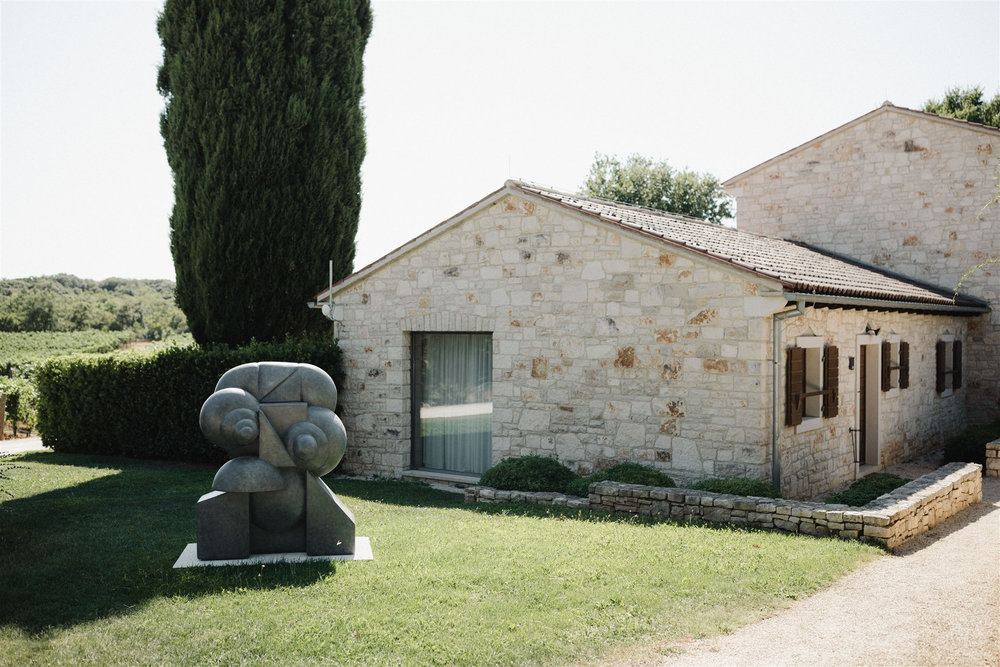
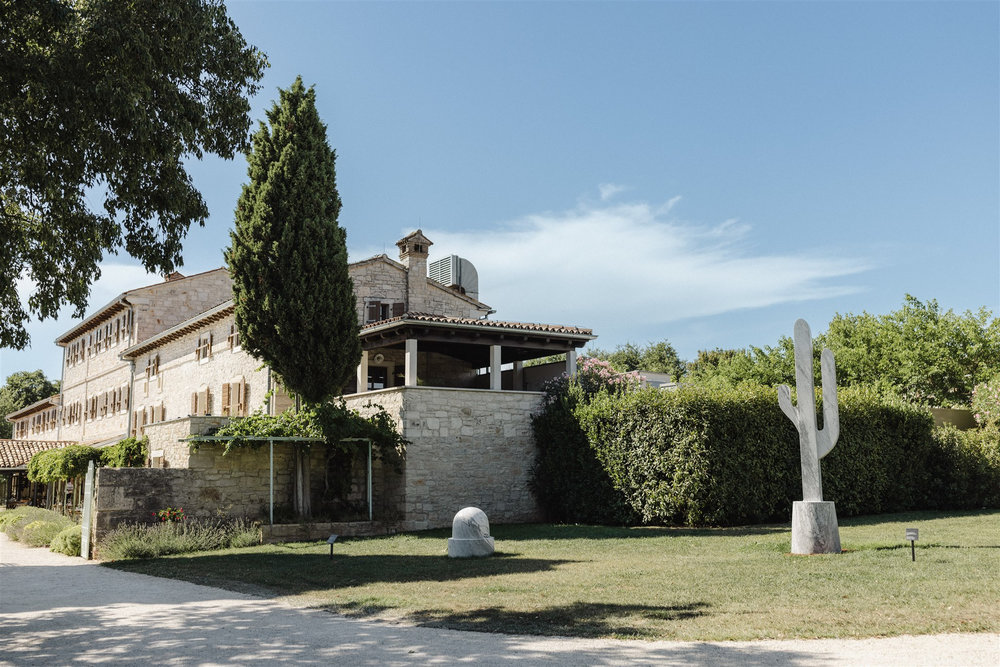
Made for Outdoors is Meneghetti’s outdoor sculpture exhibition, conceived as a dialogue between contemporary art and landscape. Developed in collaboration with Berlin-based König Galerie and curated by Reiner Opoku, the exhibition brings together a selected group of international artists whose works engage with space, material and perception. Installed across vineyards, olive groves and open terrain, the sculptures invite movement, pause and reflection. Made for Outdoors reflects Meneghetti’s commitment to art as a living, site-specific practice, integrated into the rhythm of place rather than confined to walls.
All artworks are freely accessible to visitors, with acquisition enquiries available directly through Meneghetti
Artworks
Devon DeJardin
Hans Kupelwieser
Jeppe Hein
David Zink Yi
Kerim Seiler
Arne Quinze
Kerim Seiler
Claudia Comte
Claudia Comte
Hans Kupelwieser
Jeppe Hein
Jeppe Hein

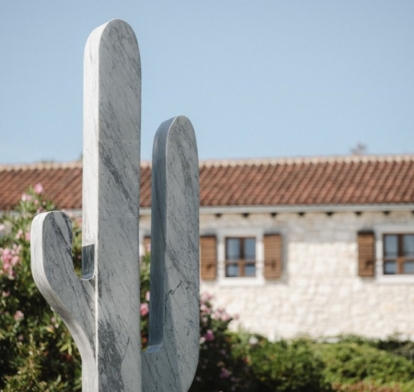
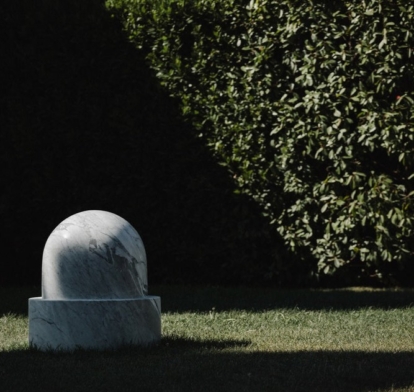
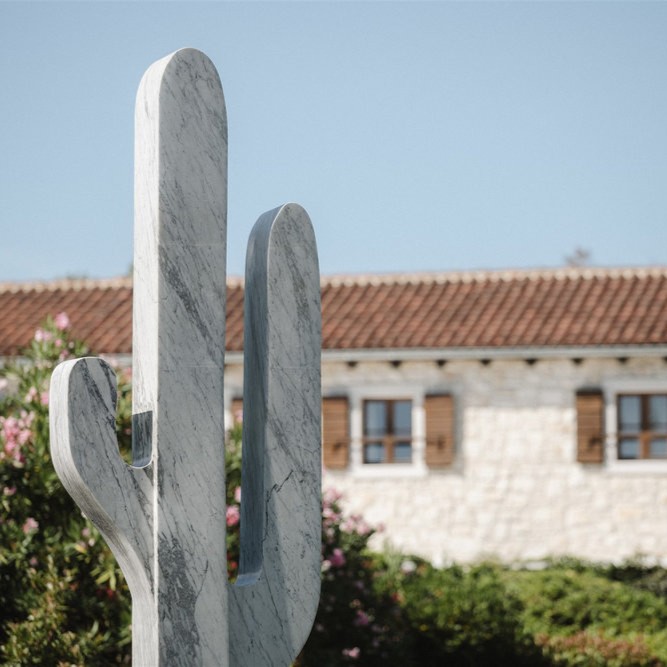
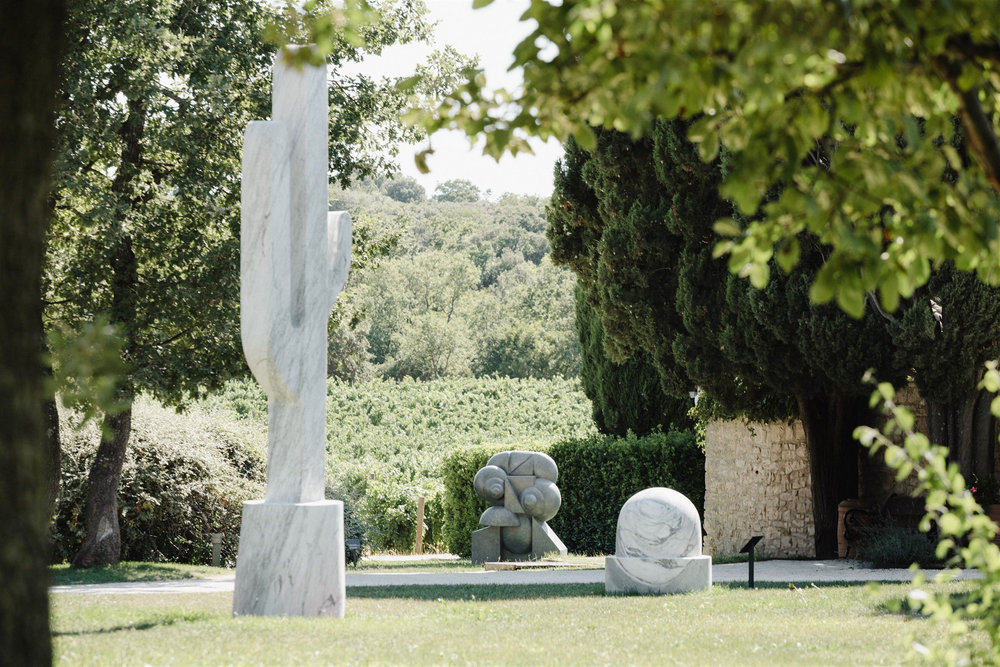
Claudia Comte: Luca (Marble Cactus), 2017
Claudia Comte is a Swiss artist whose practice explores the memory of biomorphic forms through sculpture, installation and material experimentation. Her work often bridges organic references with precise, almost architectural clarity, balancing playfulness and monumentality.
Carved from Carrara marble, Luca reimagines the familiar cactus silhouette as a classical sculptural form. The contrast between a playful motif and a material associated with permanence creates a quiet tension between the ephemeral and the enduring.
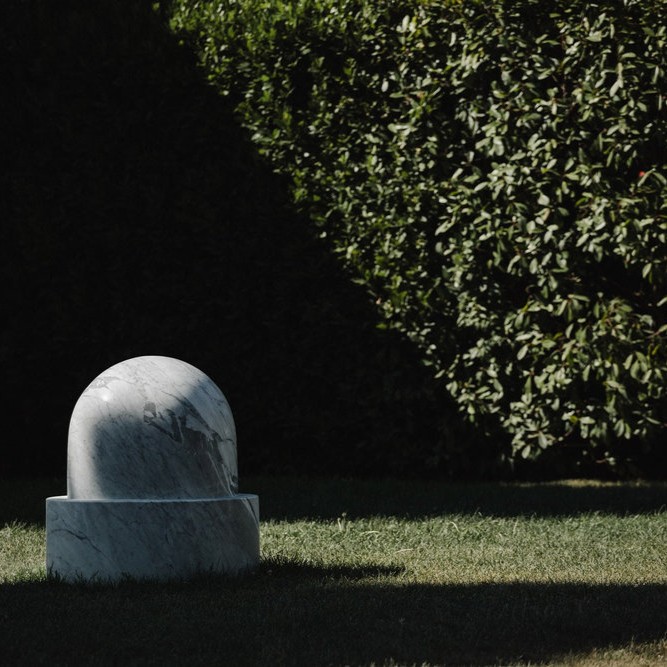
Claudia Comte: Albertine (Marble Cactus), 2017
Working across sculpture and site-specific installation, Claudia Comte draws inspiration from natural patterns and ecological systems. Her work transforms organic forms through refined craftsmanship and contemporary sensibility.
Albertine continues the Cactus series, translating a recognisable natural shape into polished marble. The sculpture’s smooth surface and reduced form invite reflection on nature, repetition and the transformation of everyday symbols.
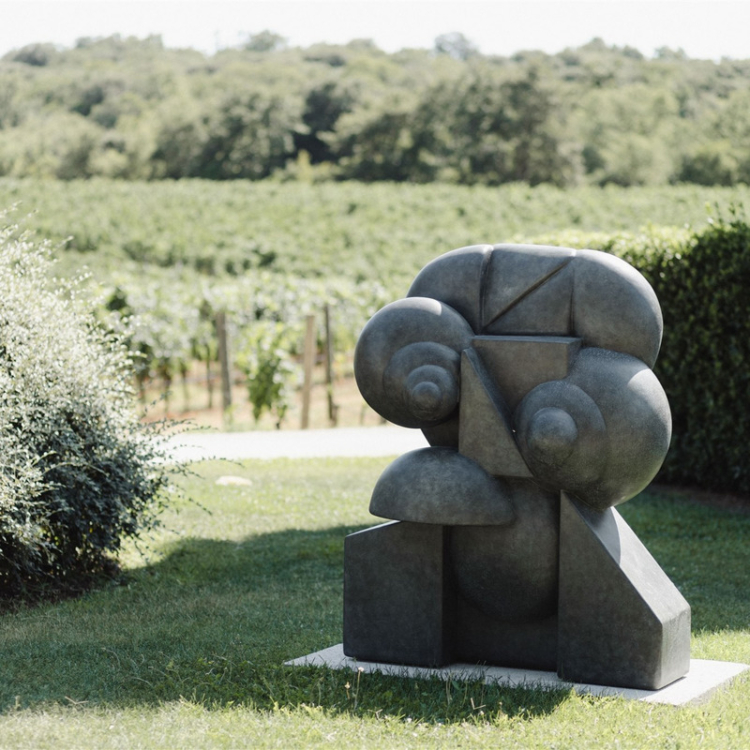
Devon DeJardin: Guardian Aberash, 2023
Devon DeJardin is an American artist whose work blends abstraction, spirituality and symbolic geometry. Drawing from studies of world religions, his practice explores unseen forces, protection and metaphysical presence.
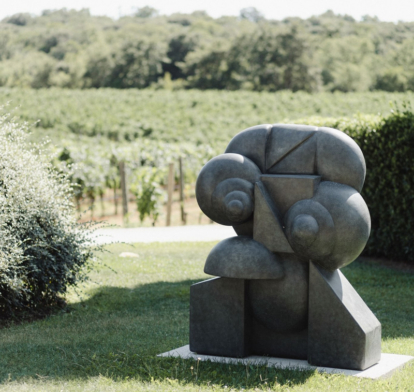
Guardian Aberash is a bronze sculpture that embodies the idea of guardianship through abstract form. Its calm, frontal presence suggests a silent sentinel, inviting contemplation on resilience, protection and inner balance.
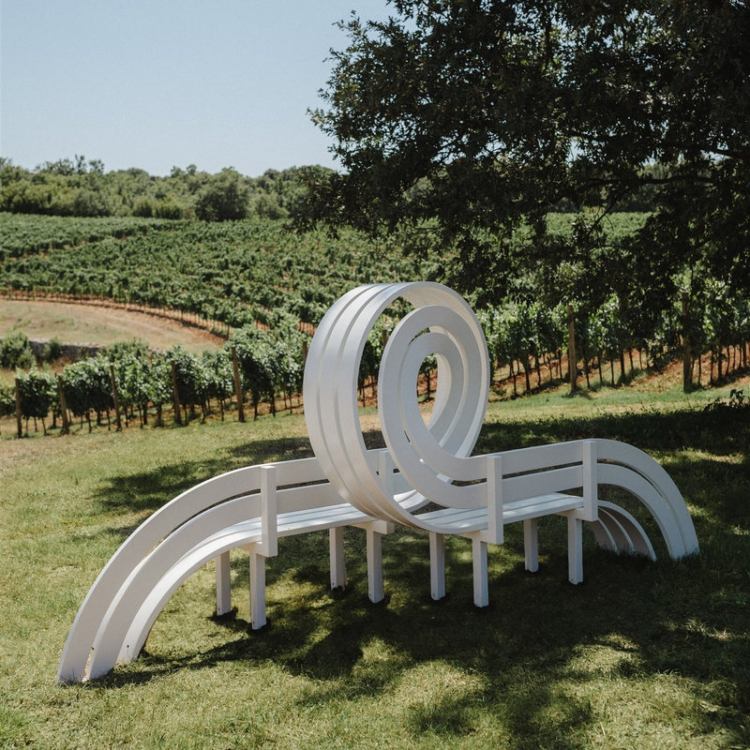
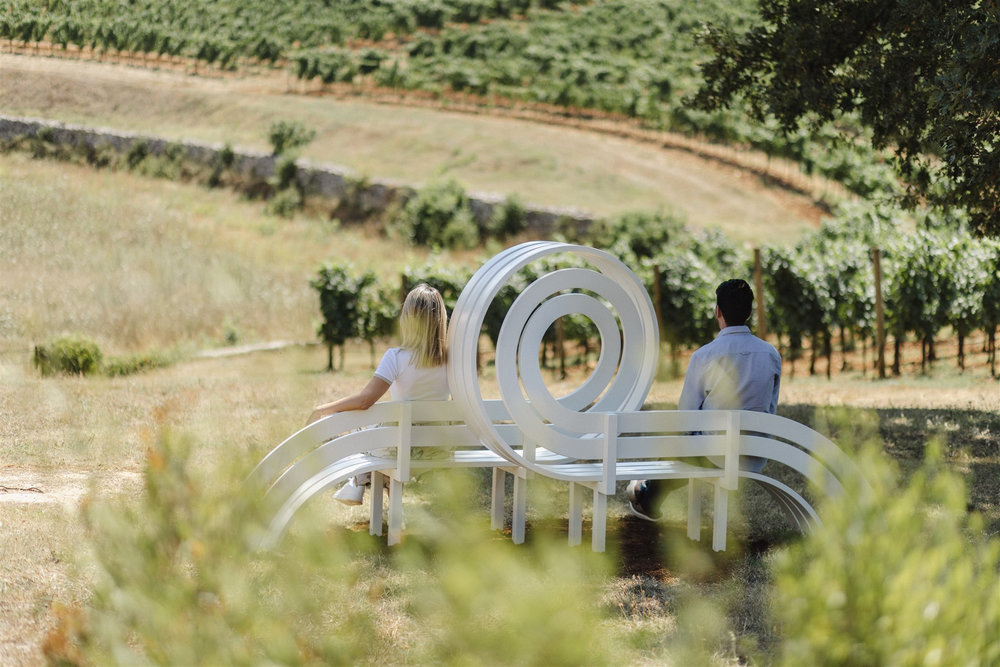
Jeppe Hein: Modified Social Bench #28, 2011
Jeppe Hein is internationally recognised for interactive works that merge art, architecture and humour. His practice invites participation, encouraging viewers to become active contributors rather than passive observers.
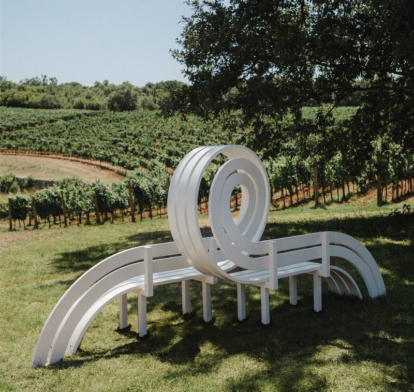
Modified Social Bench #28 transforms a familiar public object into a sculptural experience. Twisting and looping its structure, the bench disrupts expectation and invites playful interaction, redefining how bodies gather in shared space.
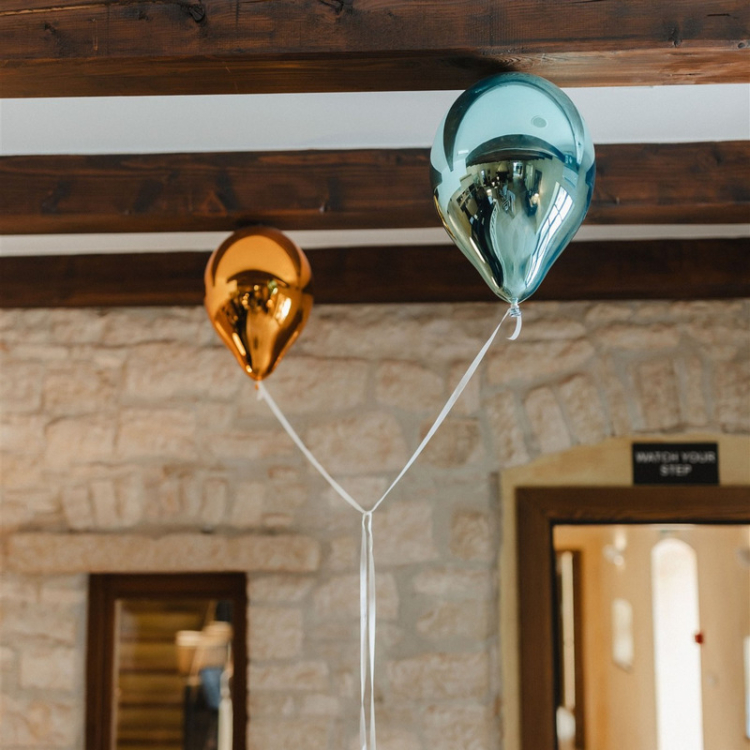
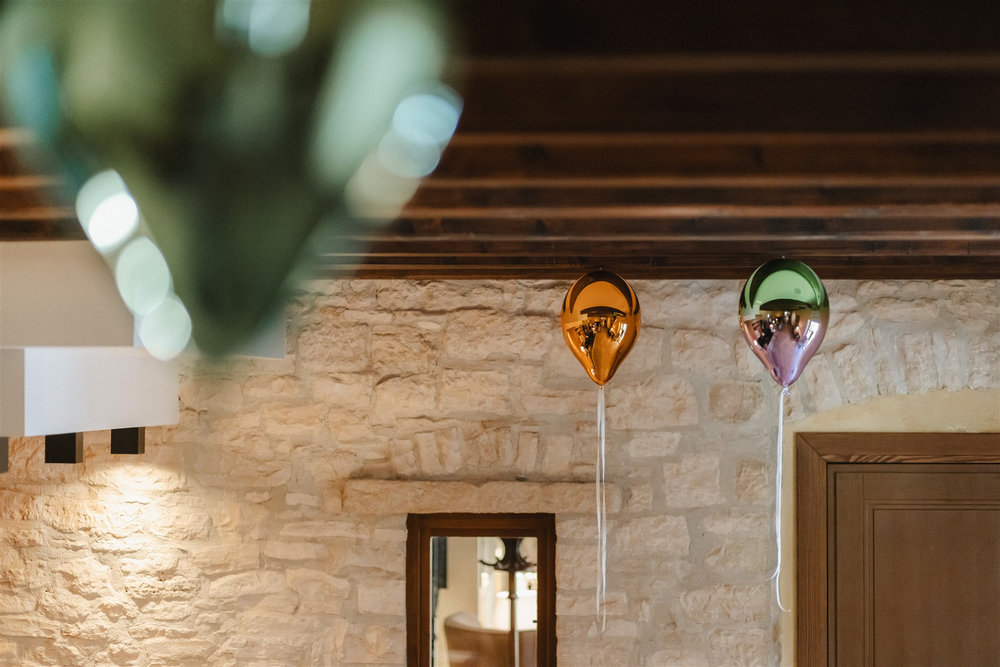
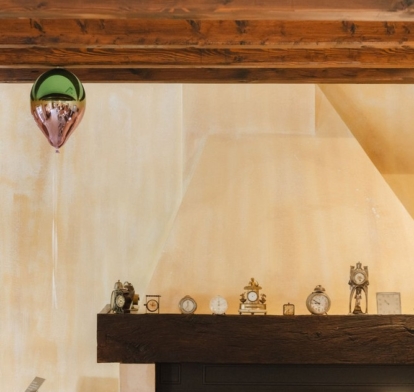
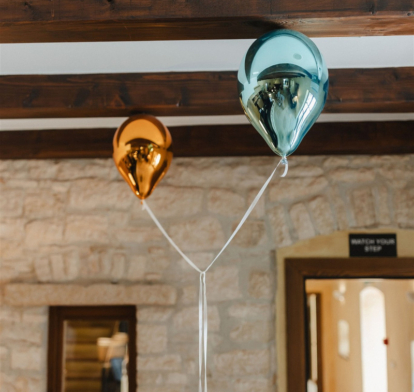
Jeppe Hein: Mirror Balloon, 2020
Hein’s work frequently explores perception, presence and spatial awareness through minimal yet surprising gestures. His Mirror Balloon series is emblematic of this approach, blending lightness with conceptual depth.
Floating at head height, the reflective balloon mirrors its surroundings and the viewer alike. The sculpture dissolves boundaries between artwork and environment, creating a fleeting encounter shaped by movement and reflection.
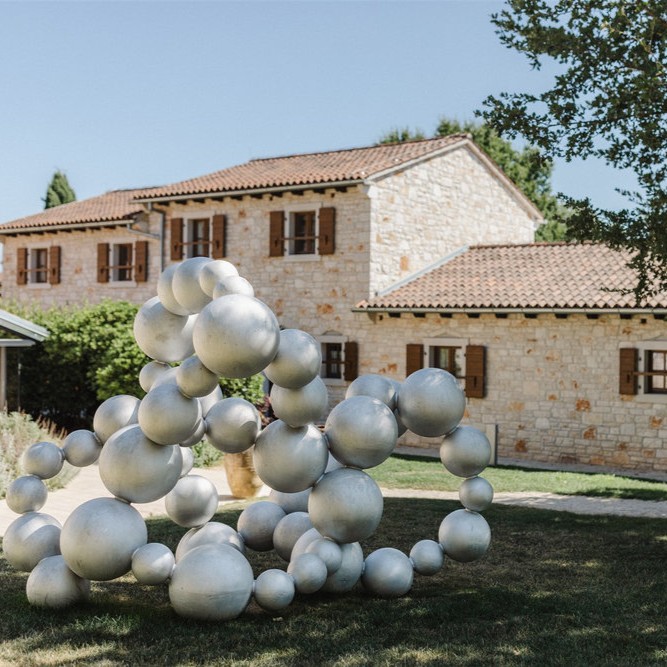
Hans Kupelwieser: Untitled, 2021
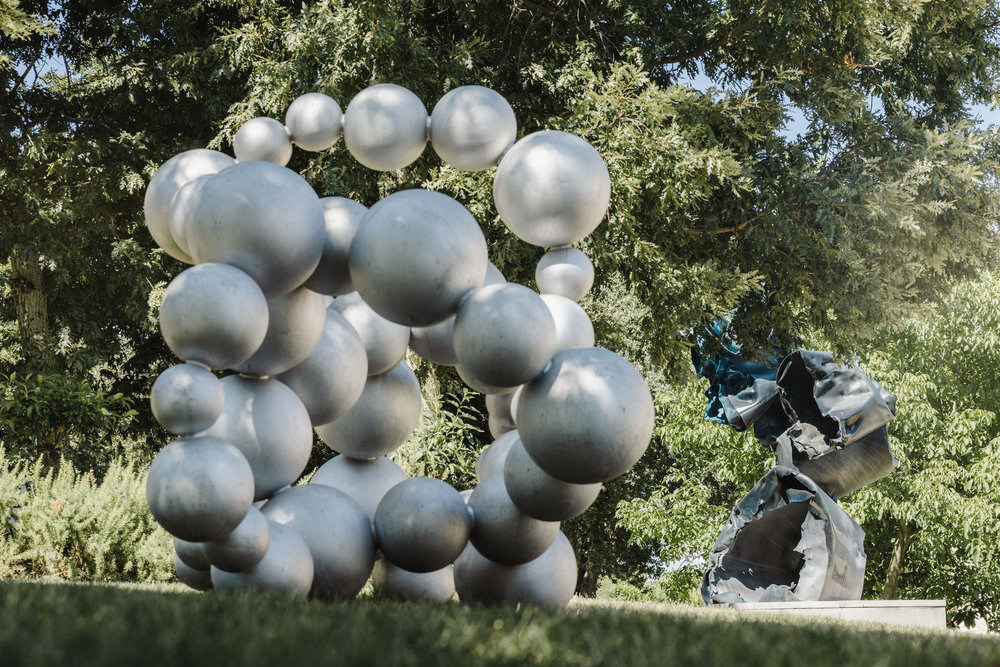
Hans Kupelwieser is an Austrian sculptor known for pushing the boundaries of material and process. His work often integrates chance, experimenting with metal, air and form to challenge traditional sculptural conventions.
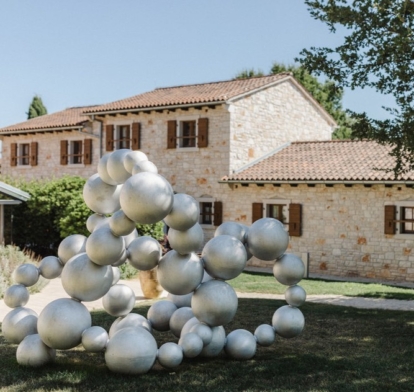
This cast aluminium sculpture appears shaped as much by breath as by matter. Its inflated, organic form captures a moment of tension and release, allowing solidity and lightness to coexist within the landscape.
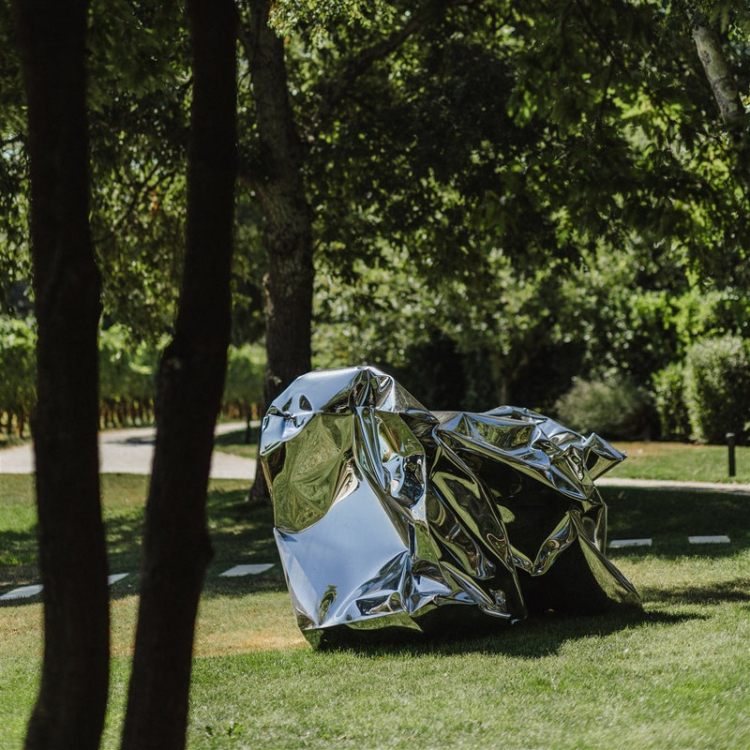
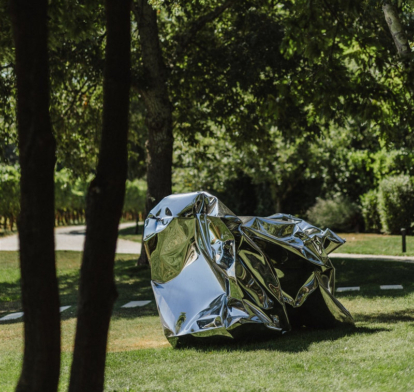
Hans Kupelwieser: Untitled, 2021
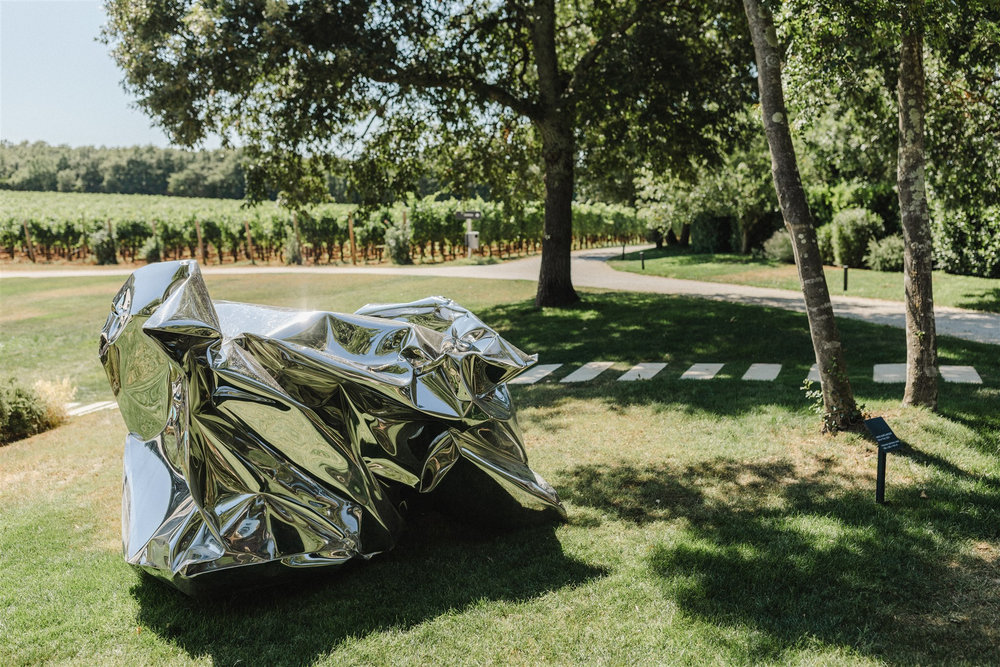
Kupelwieser’s practice operates at the intersection of two- and three-dimensional space, combining technical precision with experimental processes. His work often reflects an interest in transformation and material memory.
Rendered in polished stainless steel, this sculpture reflects its surroundings while maintaining a powerful physical presence. Light, surface and environment become active components of the work, shifting perception as viewers move around it.
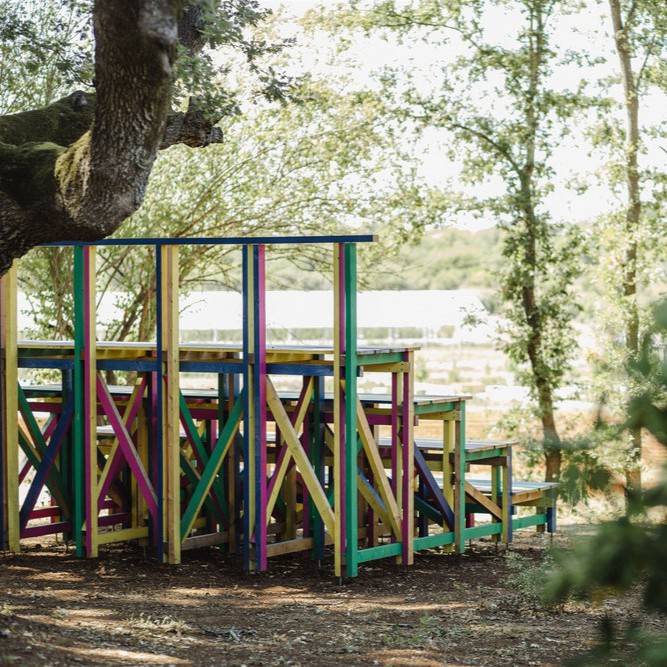
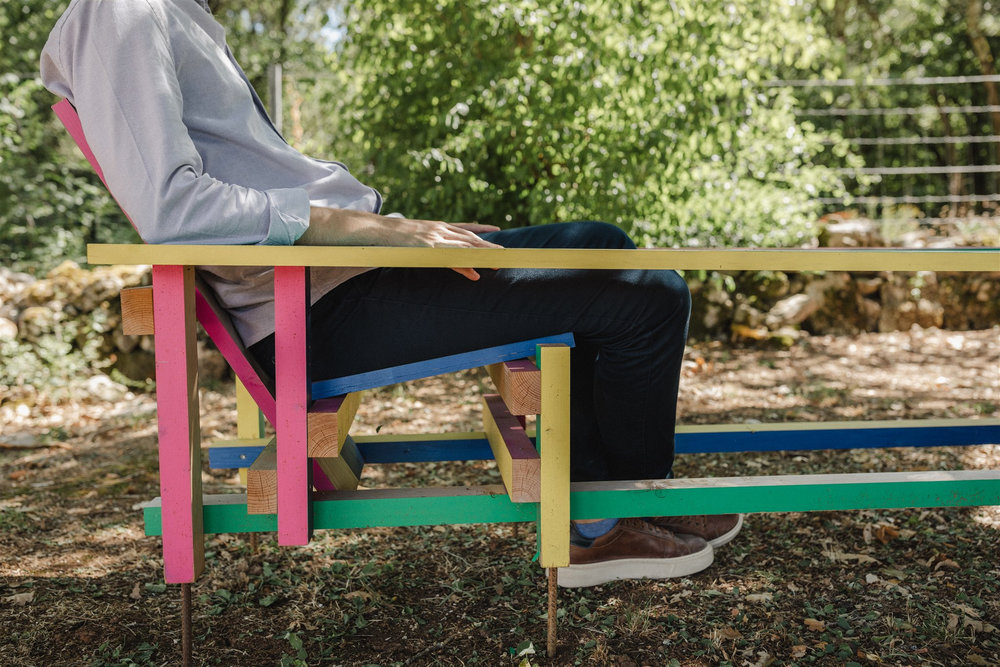
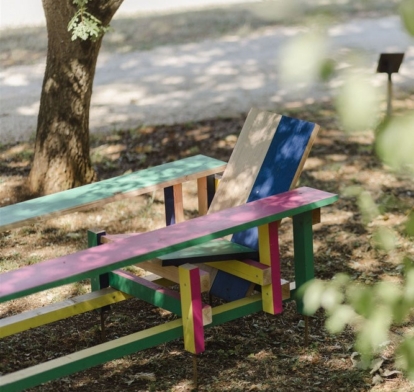
Kerim Seiler: Frühling (Spring), 2015/2018
Kerim Seiler is a Swiss artist and architect whose interdisciplinary practice spans sculpture, installation and architecture. His work often transforms public space through colour, scale and spatial intervention.
Frühling is a lacquered wooden sculpture that introduces colour and rhythm into its setting. Its architectural form encourages pause and interaction, framing the surrounding landscape as part of the sculptural experience.
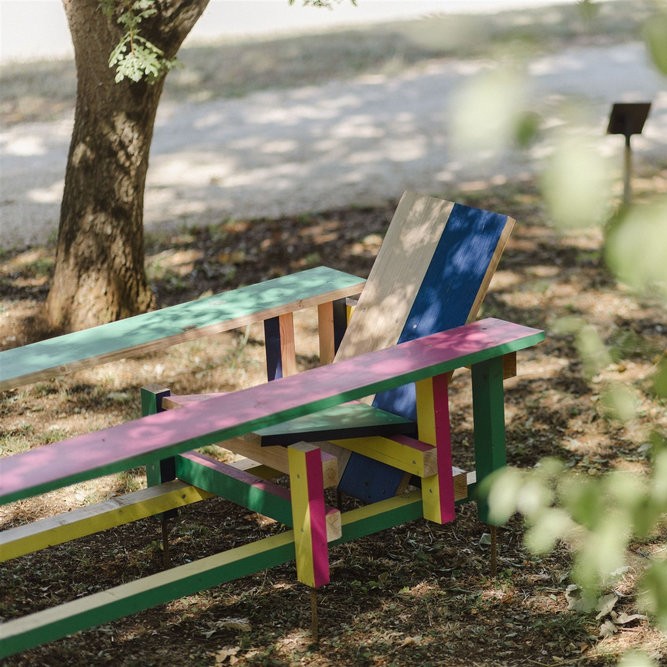
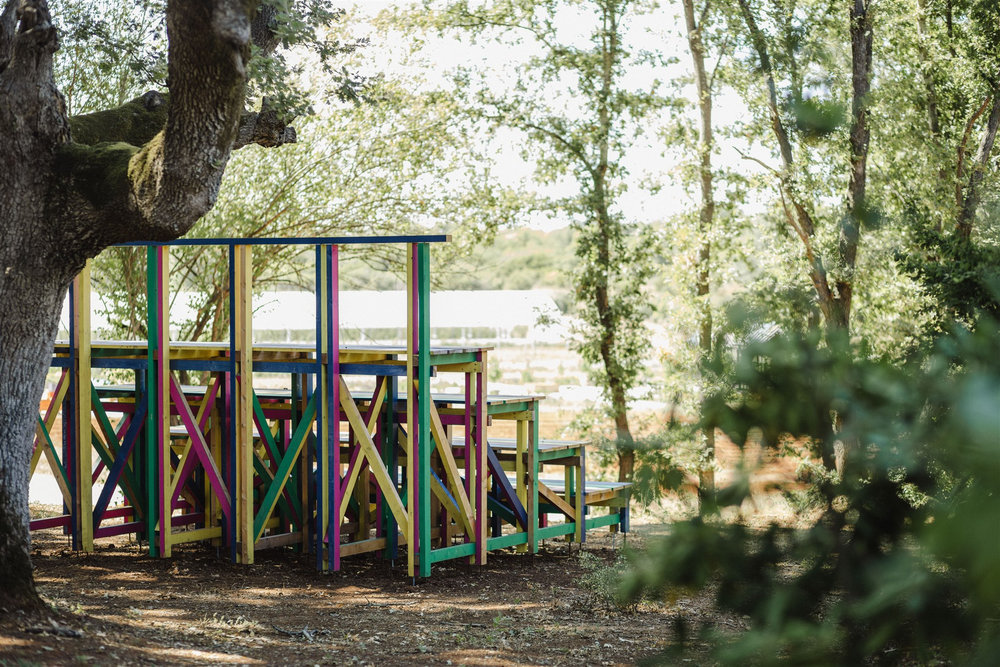
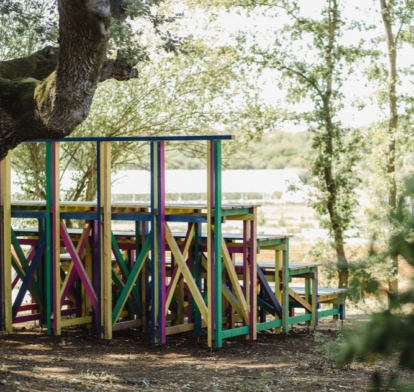
Kerim Seiler: Mindspace (Berlin), 2014
Seiler’s work frequently blurs the line between sculpture and social architecture. His installations are conceived as spaces for gathering, reflection and shared experience.
Mindspace (Berlin) functions as a sculptural structure designed for communal use. By inviting people to sit, climb or linger, the work activates its environment and turns spatial perception into a collective act.
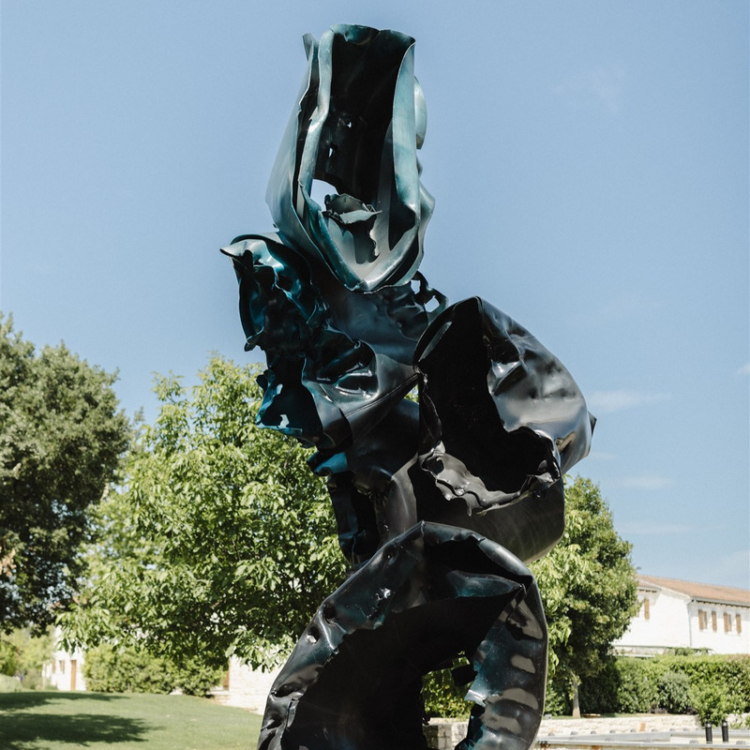
Arne Quinze: Lupine Flower, 2020
Arne Quinze is a Belgian contemporary artist whose work explores the relationship between nature, urbanisation and social connection. His large-scale sculptures are inspired by organic growth and natural cycles.
Lupine Flower rises from the landscape as a vibrant, organic form. Crafted from aluminium, its shifting surface echoes natural transformation, standing as a symbol of balance between movement, colour and stillness.

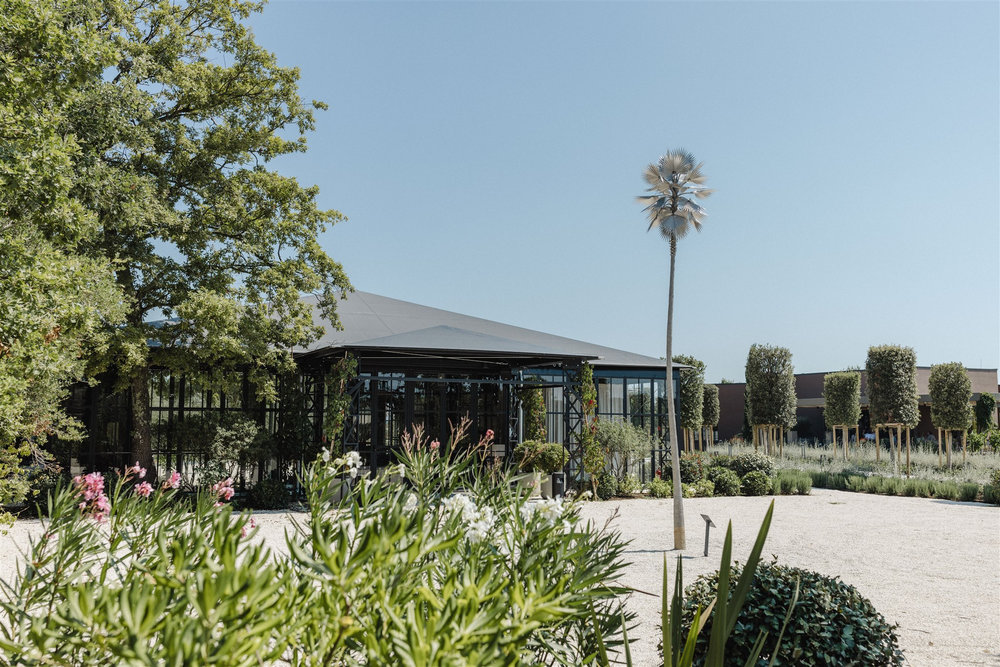
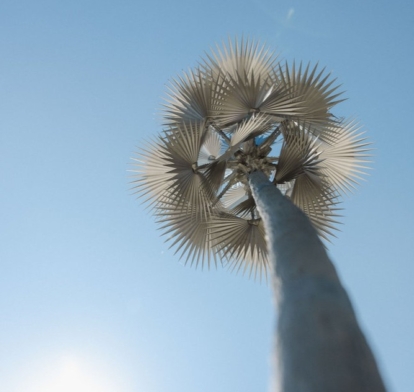
David Zink Yi: Washingtonia, 2017
David Zink Yi’s practice examines cultural identity, transformation and the migration of symbols across geographies. His work often recreates natural forms using industrial materials.
Washingtonia consists of stainless-steel palm trees modeled after an iconic species. By translating a symbol of tropical nature into metal, the sculpture reflects on displacement, memory and the evolving relationship between nature and culture.